Exploring the Different Genres of Bird Photography
The other day, I received email from birdphotographytips.com which outlined seven genres of bird photography. I must admit that I never thought about genres when going out to take photographs of birds. It’s always been the case of trying to capture the best possible images without wondering which genre a photograph might fit into.
In any case, it seemed like a good idea to see if I could match some photos against genres, so I decided to try it out with photographs of grey herons, a species that’s widespread around Ireland. I encounter herons mostly in Dublin and Galway and that’s where these images come from.
The Standing Bird
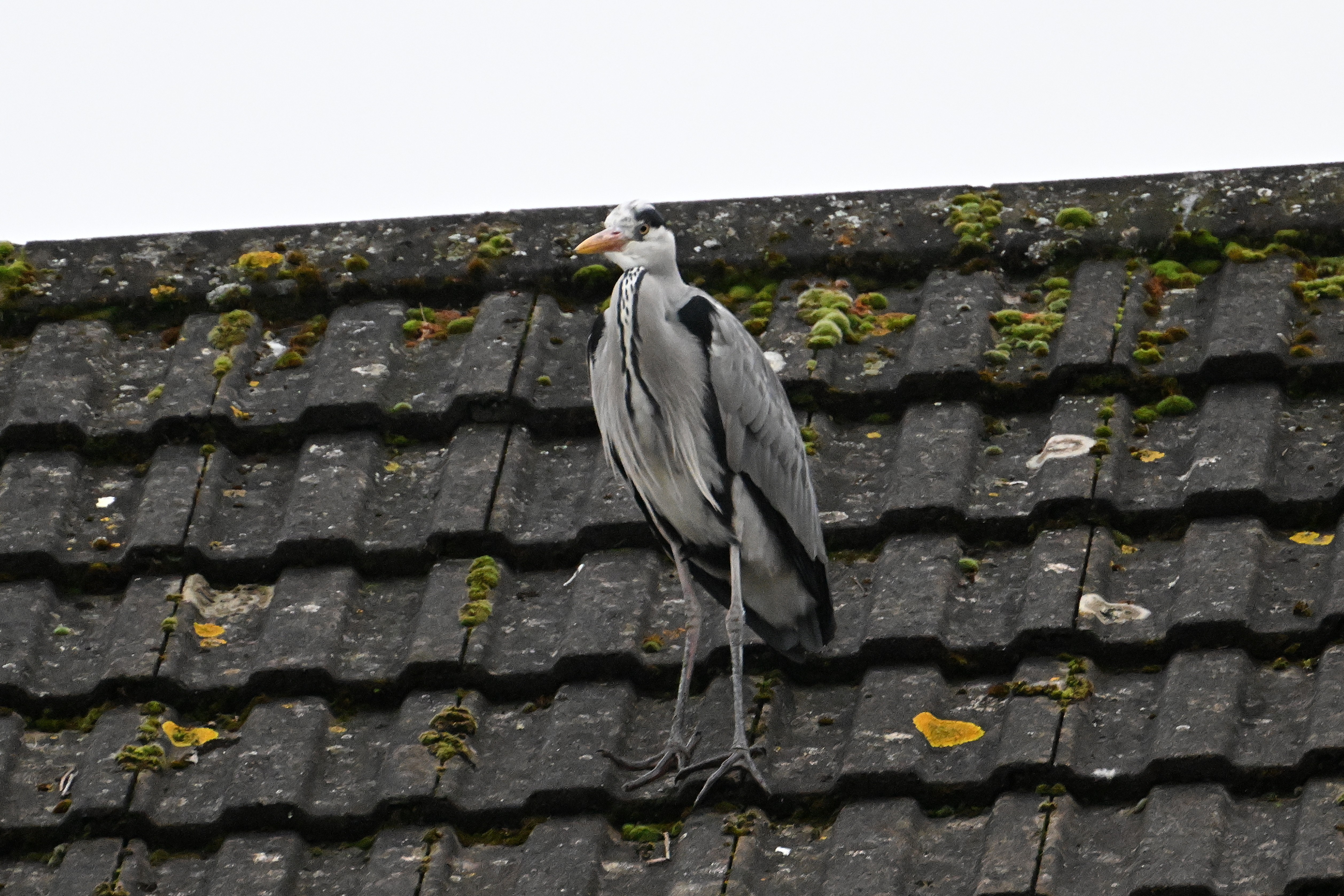
A standing bird portrait is usually taken to highlight the immediate surroundings of a bird in nature. I’ve chosen something different in Figure 1, a photograph of a heron on a suburban roof in Deansgrange, County Dublin. The bird is literally standing as it surveys opportunities in a public park immediately beside the house. This goes to prove that birds can be seen anywhere, even on roofs.
Bird Portrait
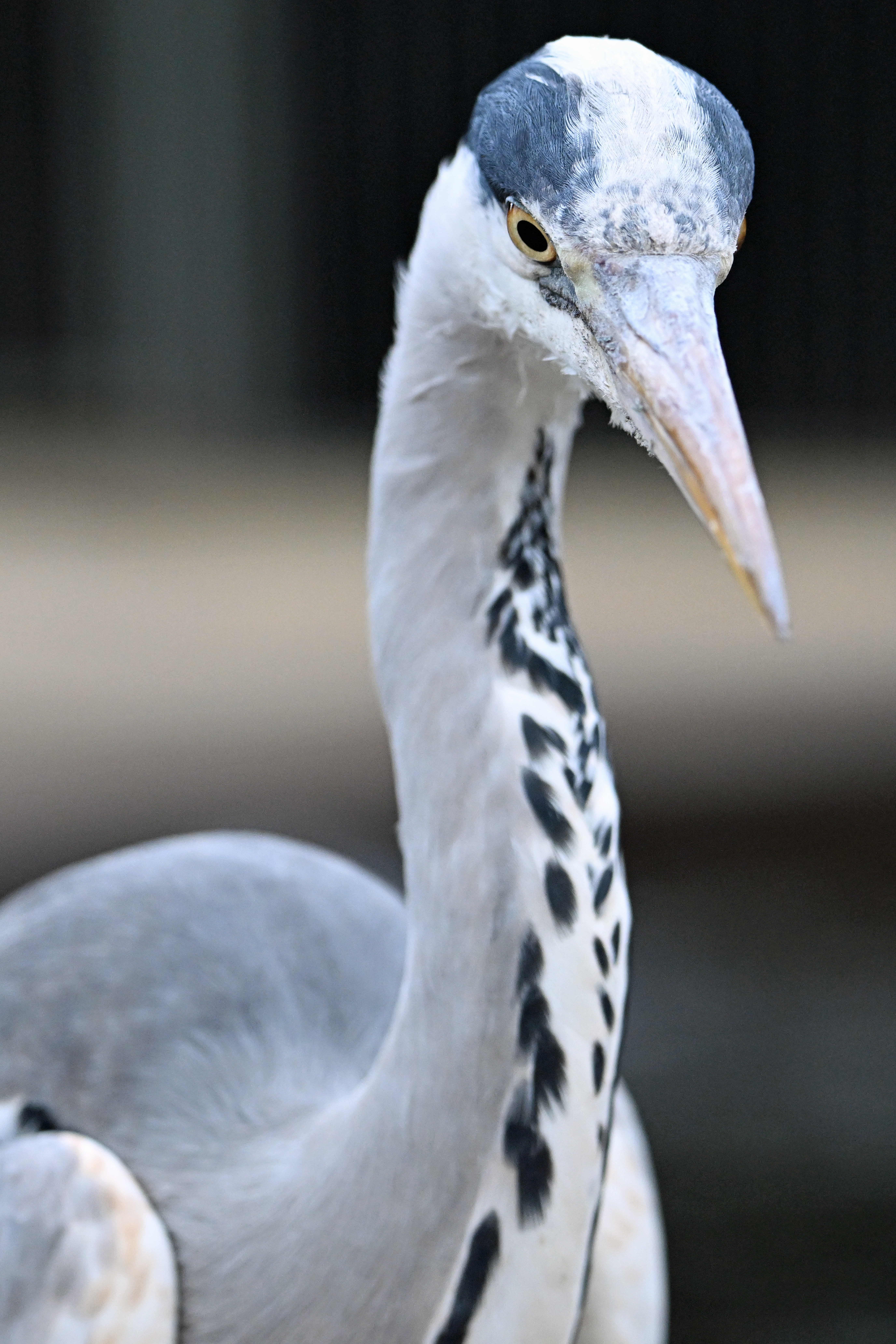
Getting a good bird portrait means getting close to the subject. That can be challenging given the skittish nature of herons, at least in the wild. Getting closer than 25 m to a heron on the west coast of Ireland usually results in an immediate take off. But things are different in cities, especially where birds become used to humans and the food sources humans can provide.
This photograph comes from Dublin Zoo where herons often attend the shows involving California sealions. I guess the herons hope to pick up some of the fish given to the sealions during the performances. In any case, Figure 2 is a close up shot of a heron from just a few feet away.
Bird in Flight
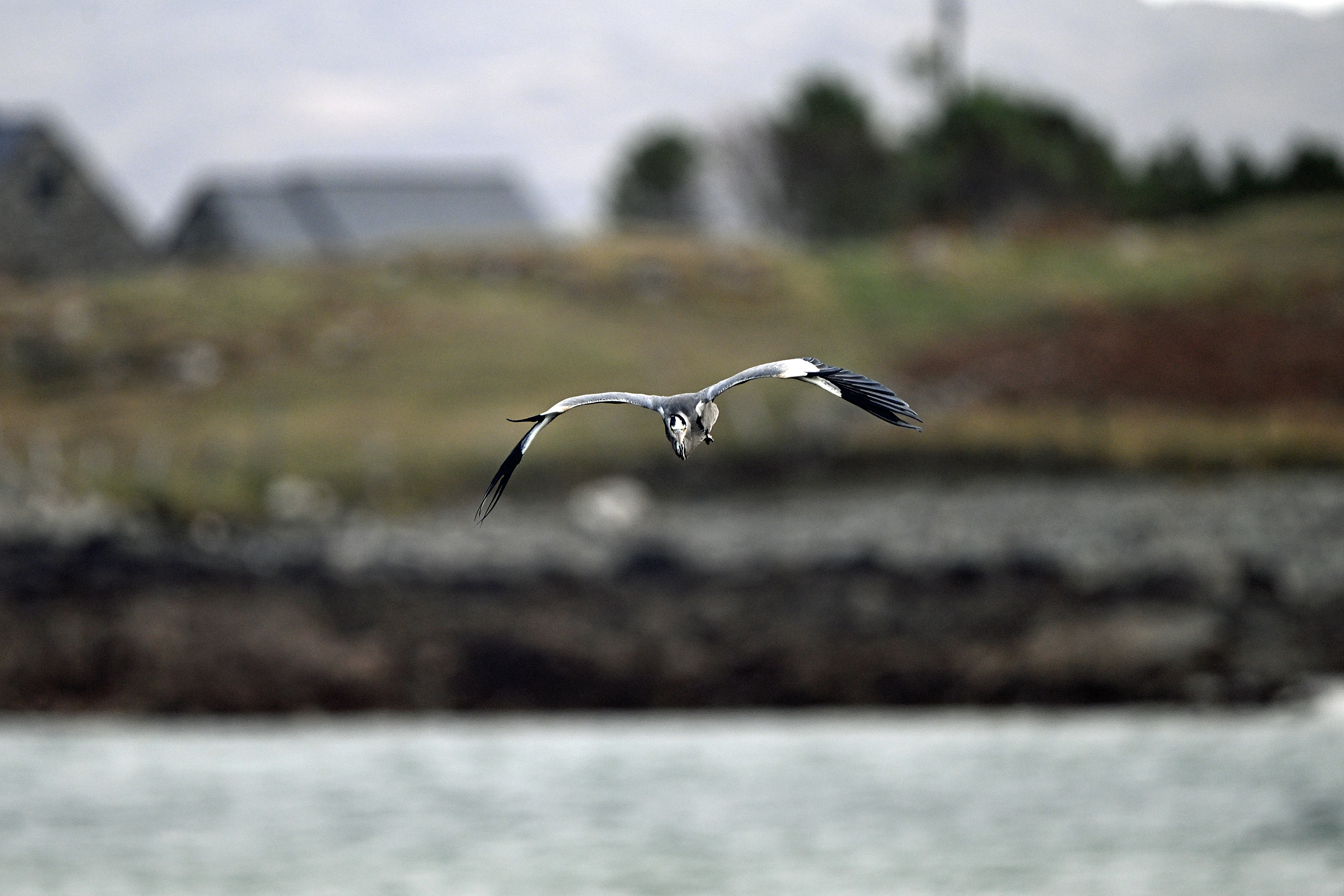
Flight is a natural state for birds, so capturing good shots of birds in flight is often deemed to be the essence of bird photography. Getting that good shot requires a mixture of good luck (being in the right place at the right time), equipment, and technique. As my example, I’ve chosen a photo of a heron flying straight towards me over Mannin Bay (Figure 3). It’s hard to make the heron’s head out because it is so slender, but it’s there.
Bird in Its Environment

The environment genre is intended to show the surroundings that the bird is often found in. Figure 4 shows a heron and a white egret on top of some seaweed-covered rocks in Mannin Bay, Ballyconneely, County Galway. Herons and egrets can often be seen perched on rocks like this as they hunt for small fish and other prey.
Bird in Landscape
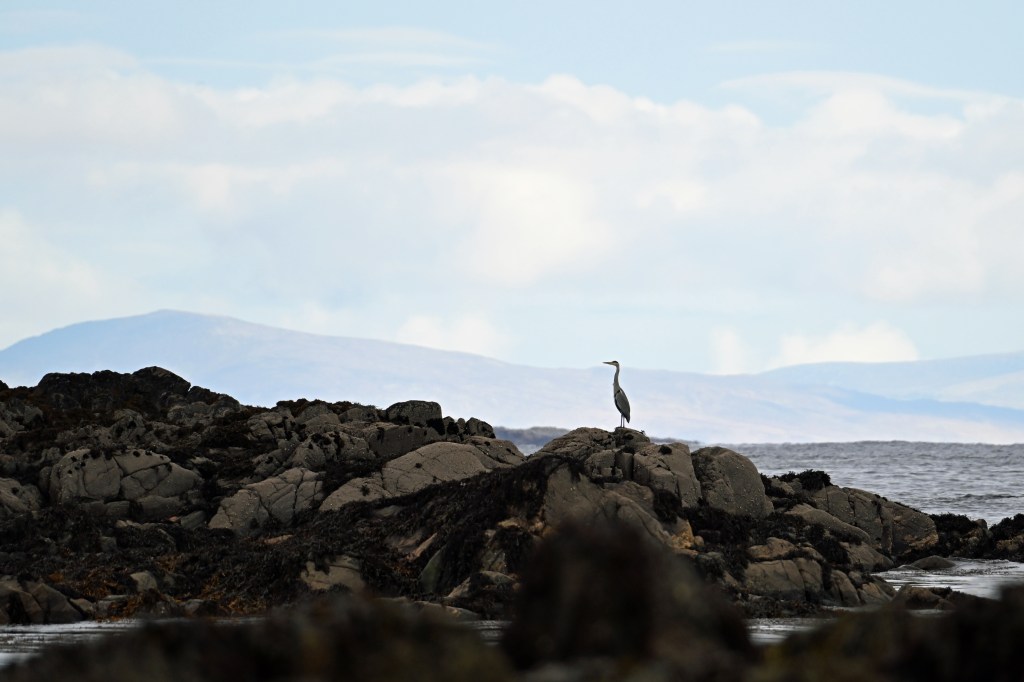
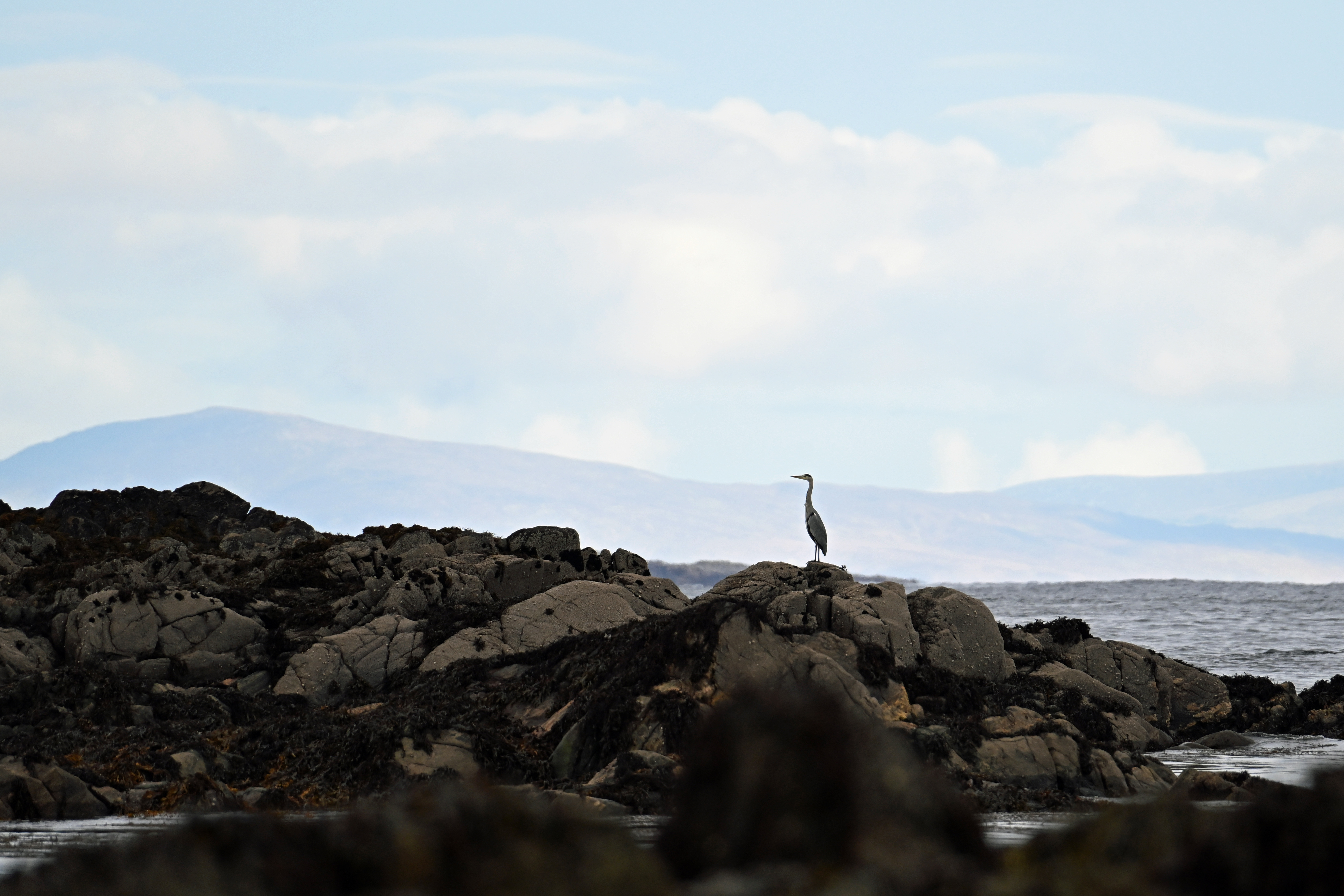
The bird in a landscape genre is different to the environment genre in that the landscape element is more important. The bird or birds just happens to be in the frame. The photograph I’ve selected comes from a trip to Inishbofin Island, one of the inhabited islands off Ireland’s west coast. Walking on a remote beach, I spotted this lonely heron silhouetted against the mainland (Figure 5).
The Behavioural Shot
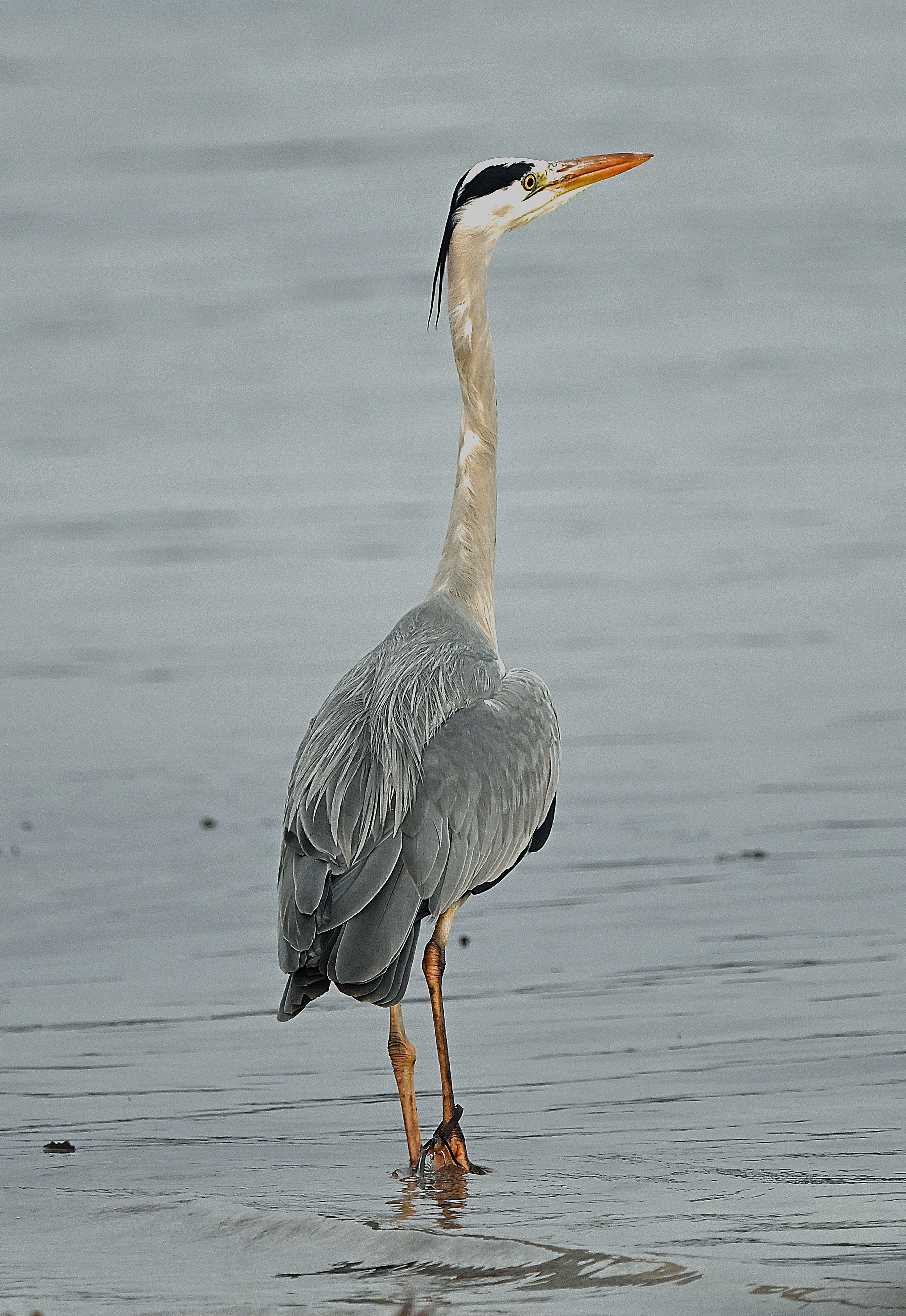
The behavioural genre is all about photographing actions of birds other than perching and flying. I like the photograph of a heron walking through the shallows with its head held high (Figure 6). It seems to show some of the elegance of the bird.
The Abstract Bird
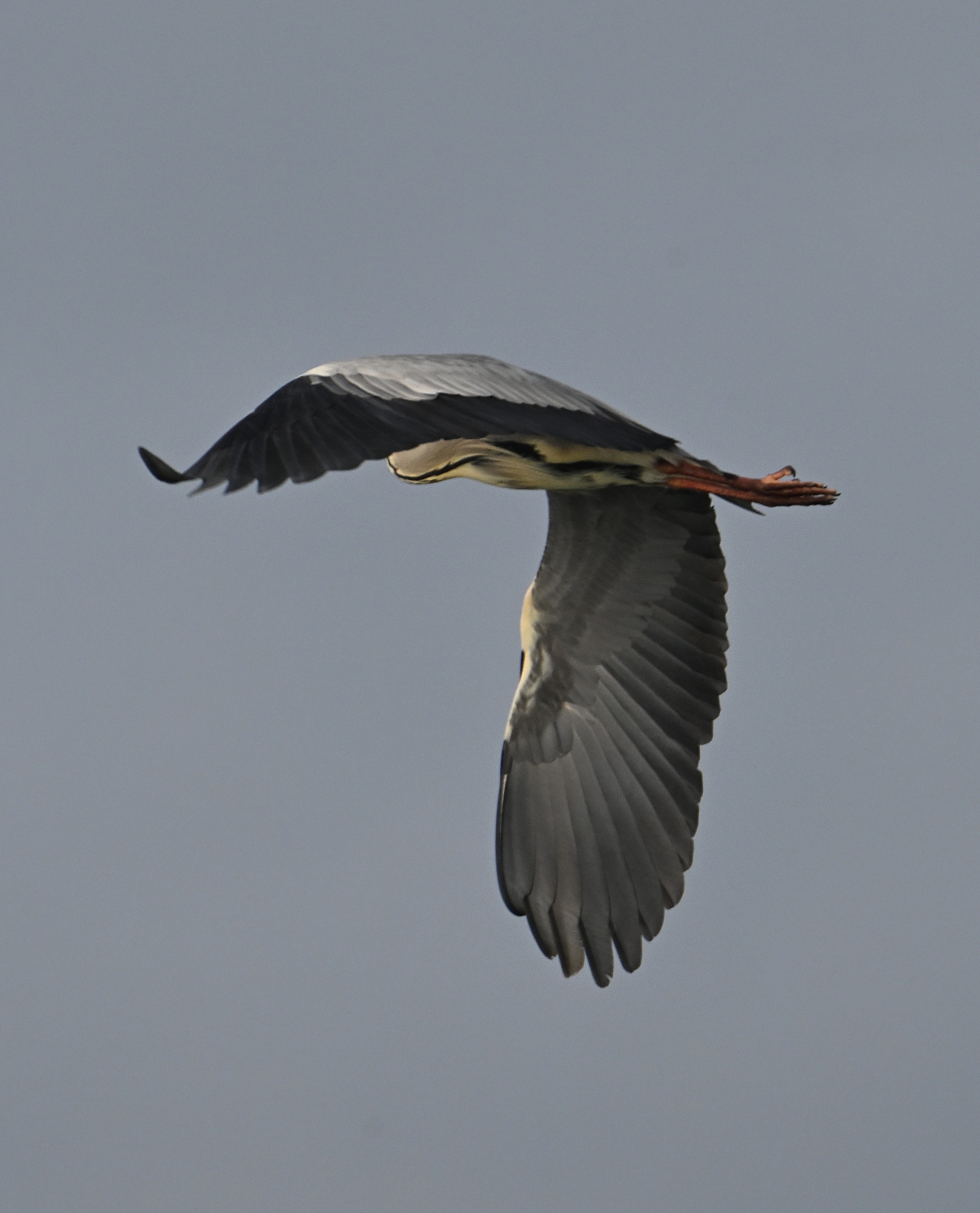
The abstract genre features unusual angles or details of birds, so much so that you might not recognize the image as a bird or type of bird. I like Figure 7 because it shows the size of the heron’s wings. The bird’s head is hidden, but the wings are more than enough to show the power and purpose of the heron’s flight.
All Genres Covered
Photographing birds requires more patience and different techniques to capturing images of other subjects. The grey rains that often sweep across the west coast of Ireland often pose a challenge in terms of light and visibility, but that’s all part of the fun as the hunt goes on to meet the challenge of matching all genres of bird photography.
 Thoughtsofanidlemind's Blog
Leave a comment